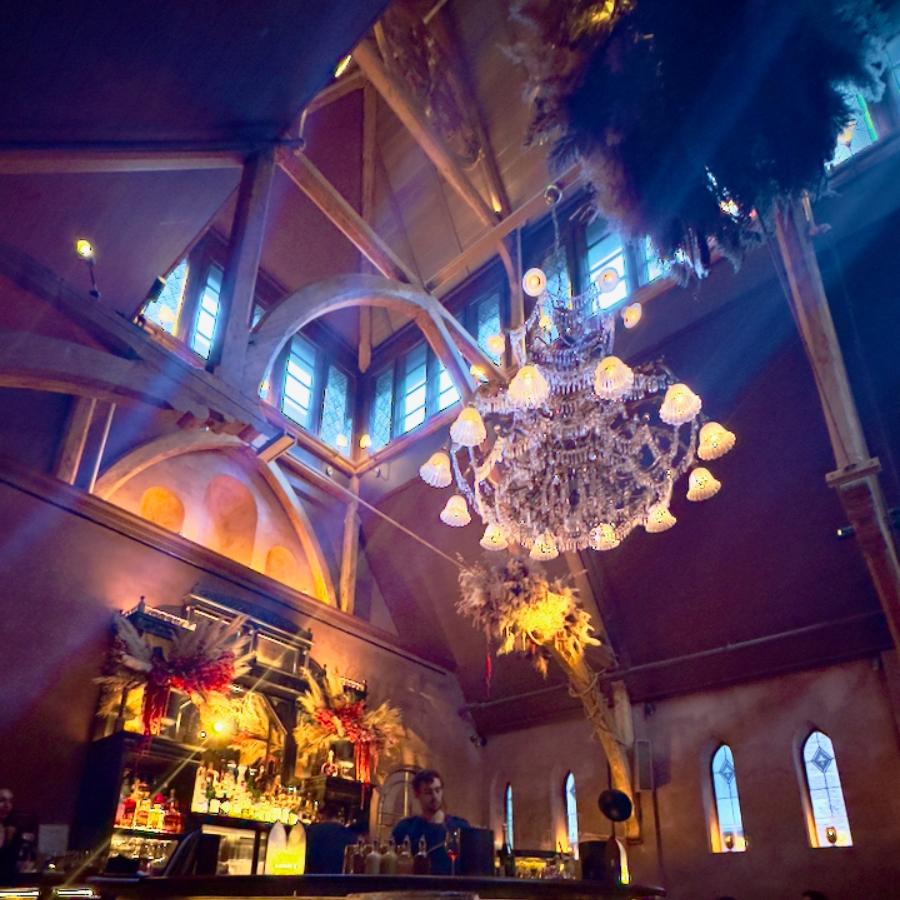
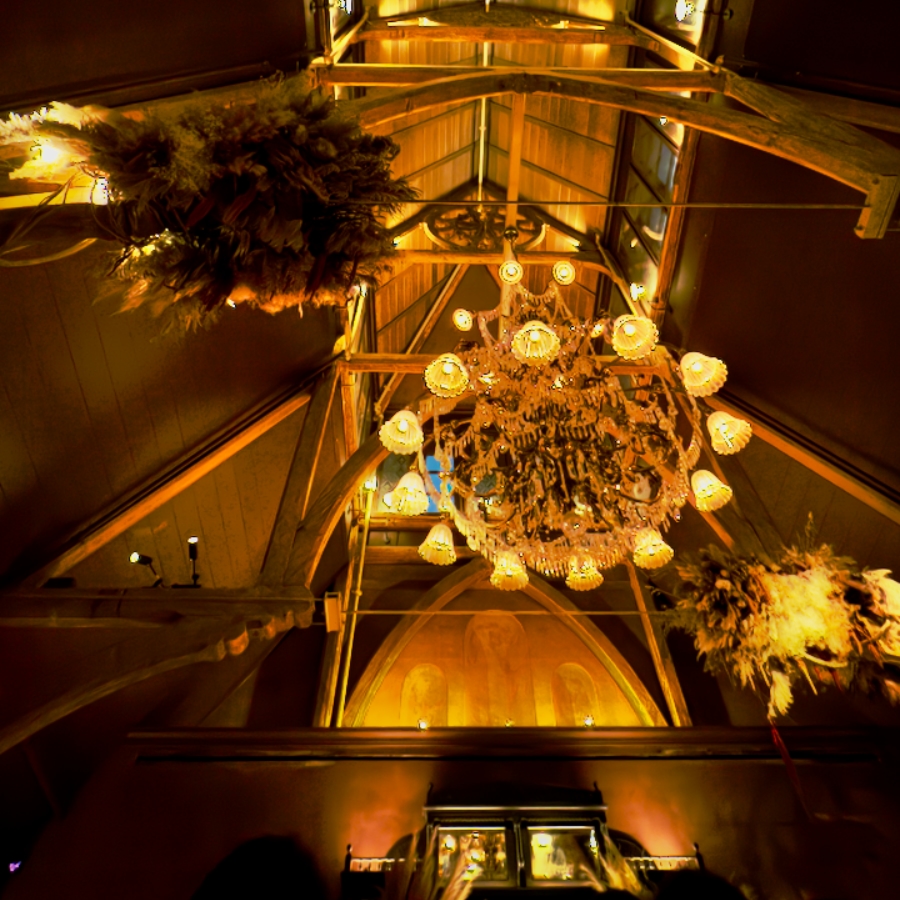
The most beautiful speakeasy I have been to happened to be inside a historic nineteenth-century church, which already sounds like the kind of sentence that should end in disappointment. Places with that much built-in atmosphere usually lean too hard on the room. They know the ceiling will do half the work. They know the setting buys them patience. The drinks start slipping into supporting-cast duty.
Chapel Bar never let that happen.
That was the first thing that stayed with me. The room was stunning, yes, but it was not only stunning. It was composed. Big beams overhead, chandelier drama, the kind of light that makes everyone look slightly more rested and slightly more mysterious than they probably are. Even before the first drink lands, the room changes your volume. You walk in and your voice drops a notch. Partly because of the vibe, partly because the space still carries some trace of what it used to be.
The easy failure mode for a place like this is obvious. A former chapel, dramatic architecture, moody lighting, a name like Chapel Bar, all of it can tip into costume fast. The bar starts acting like the room is enough. The drinks become decorative. The whole experience flattens into “have you seen this place” and not much else.
Chapel Bar got past that.
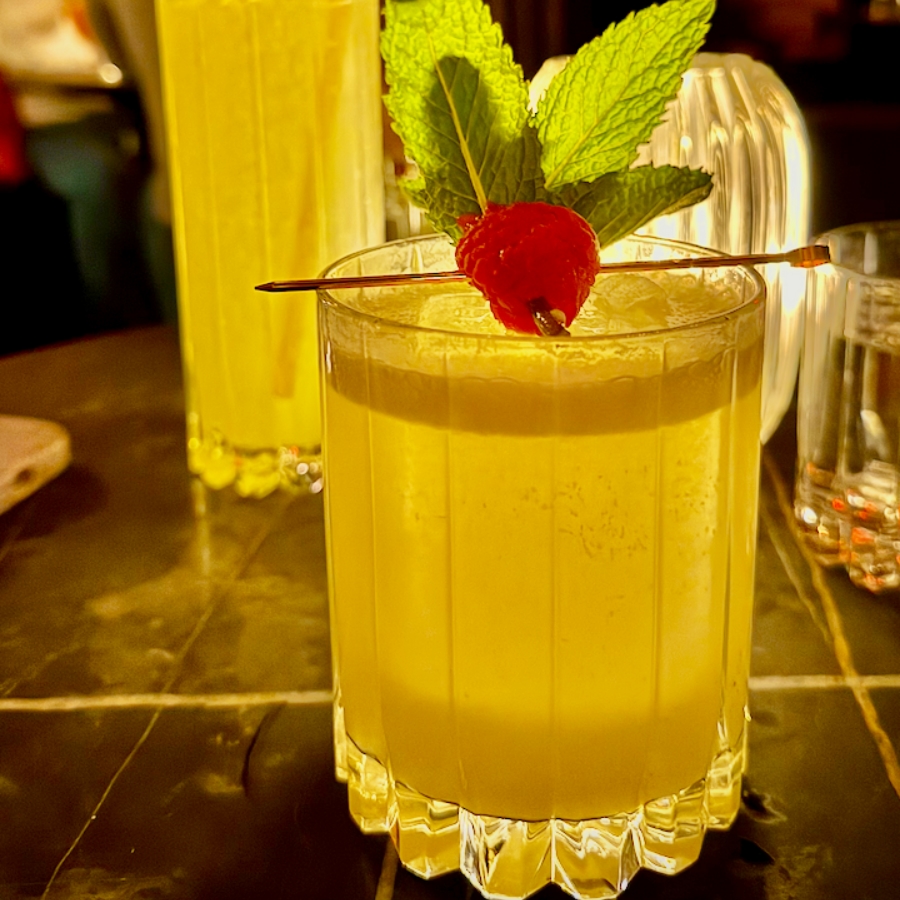
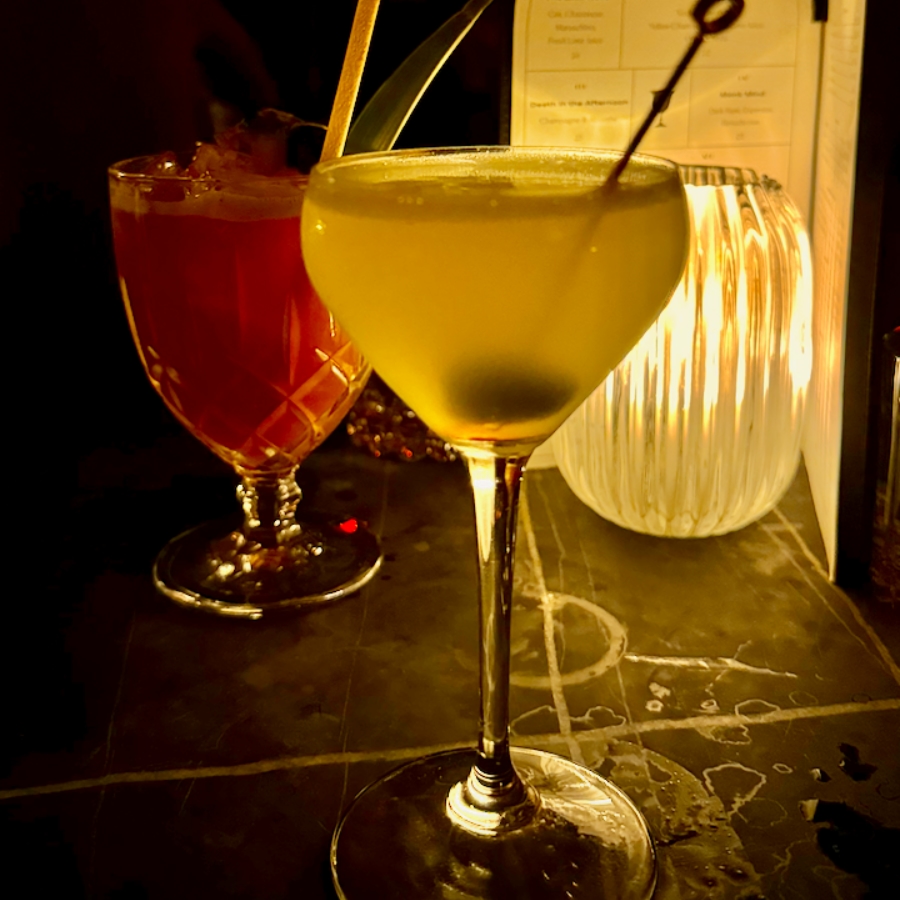
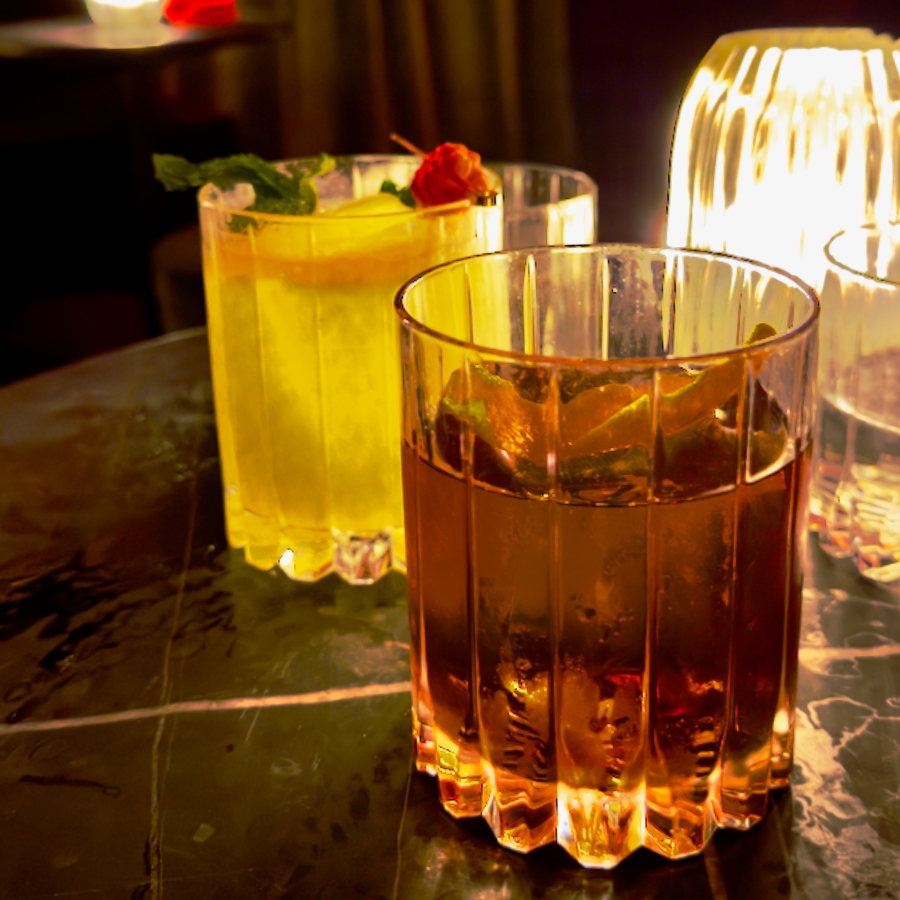
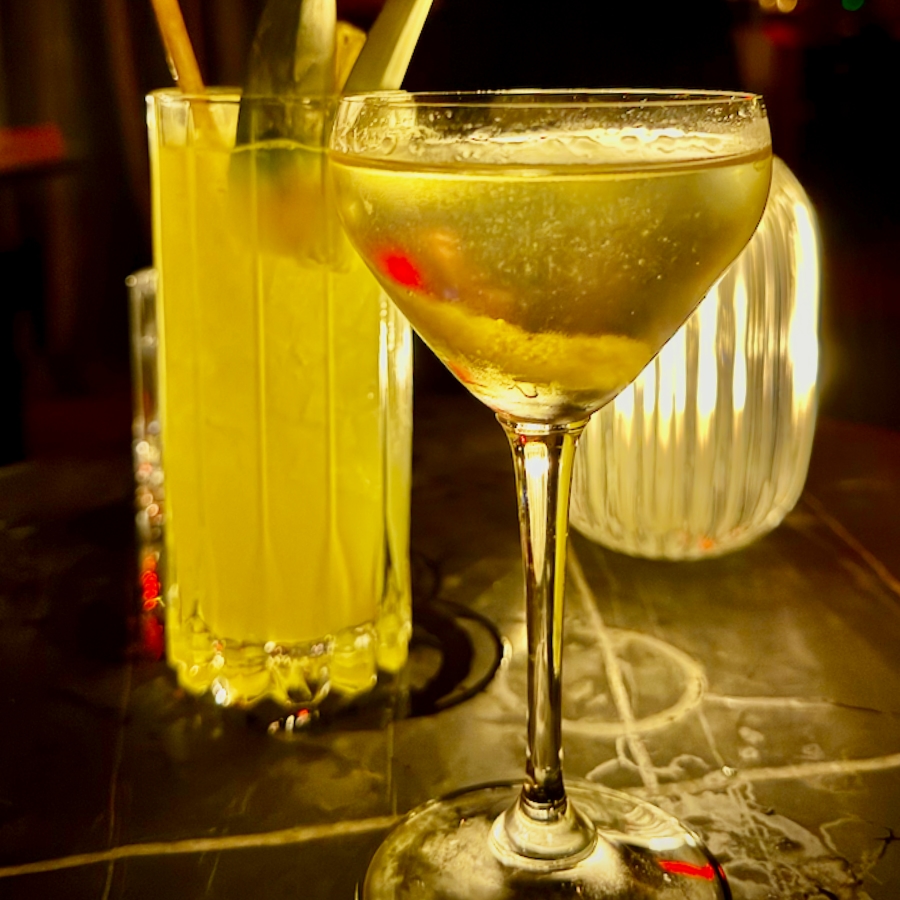
Beauty gives a place atmosphere. It does not give it discipline. That harder part still had to be earned, and Chapel Bar earned it. Bright drinks stayed crisp. Darker drinks had structure. Nothing felt like it was hiding behind sugar, smoke, or overcomplicated storytelling. The menu matched the room in the best possible way. Controlled. Polished. Slightly dramatic, but never sloppy.
That is what made the place work. Everything agreed with everything else.
Lighting, music, pacing, service, glassware, the drinks themselves. Nothing felt accidental, but nothing felt overworked either. That is harder than it looks. Plenty of beautiful bars feel assembled. Chapel Bar felt aligned. The room was the headline, but the rest of the place knew how to support it instead of fighting for its own spotlight.
The confessional detail says a lot about how carefully the whole place was tuned. In a lesser room, it would have landed as a gimmick. Here it felt like part of the internal logic. Not a joke. Not an Instagram trap. More like a quiet reminder that someone understood the line between atmosphere and theme. The bar was moody without getting corny. Dramatic without getting camp. That is rare.
The service helped too. Rooms like this often push staff into one of two bad performances. Either too reverent or too cool for their own bar. Chapel Bar avoided both. Present, polished, calm enough to let the room and the drinks do what they were there to do.
That is probably why it stayed with me more than a lot of louder places. It never felt like it was begging to be admired. It already knew what it had. That confidence changed the energy of the night. You came in because the room was beautiful. You stayed because the place was more resolved than that.
The mid-2024 closure only sharpened the memory a little. It turned the place into one of those New York rooms you assume will always be there until the city reminds you otherwise. The reopening gave it a strange kind of afterimage. Briefly gone, then back again, which somehow made the original experience feel even more specific.
That is the real verdict.
Chapel Bar was not great because it lived inside a church. It was great because it knew that was not enough. The room was extraordinary. The harder part was making the rest of the experience worthy of it. Chapel Bar managed that. That is why it remains the most beautiful speakeasy I have been to, and one of the few where the drinks deserved the room.